Birding on the Bike Path

It’s been a dreary, drizzly winter in southern Oregon, and there have been few chances to get out on the trail. A consequence of that, for this blog, is a lack of anything substantial to write about. No trips; no hikes; no story. All our driving has been routine and mundane. In a sense, this is a good thing: it demonstrates perfectly that an electric car is just a car – like any other car, except that you fuel it up in your own garage, and you don’t have to take it in for oil changes. The Bolt is a perfectly competent vehicle for all the normal purposes any car would be used for – but, of course, that is the problem. There is nothing more boring than competence.

So I am happy to announce that we did actually get out of town and take a hike on Friday. Well, a little way out of town, and a sort of a hike. It was a mostly gray day, but there was a bit of blue sky and, though rain was expected, it wasn’t yet falling: so at about 2 PM we jumped in the car and headed for the Bear Creek Greenway, the bike path that runs from the north end of Ashland to just beyond the Jackson County Fairgrounds in Central Point. Someday it is expected to stretch all the way from the county park at Emigrant Lake to the banks of the Rogue River, but those plans have been on hold for a while. But the 25 miles that have been completed are already a pleasant place for an afternoon spur-of-the-moment outing.
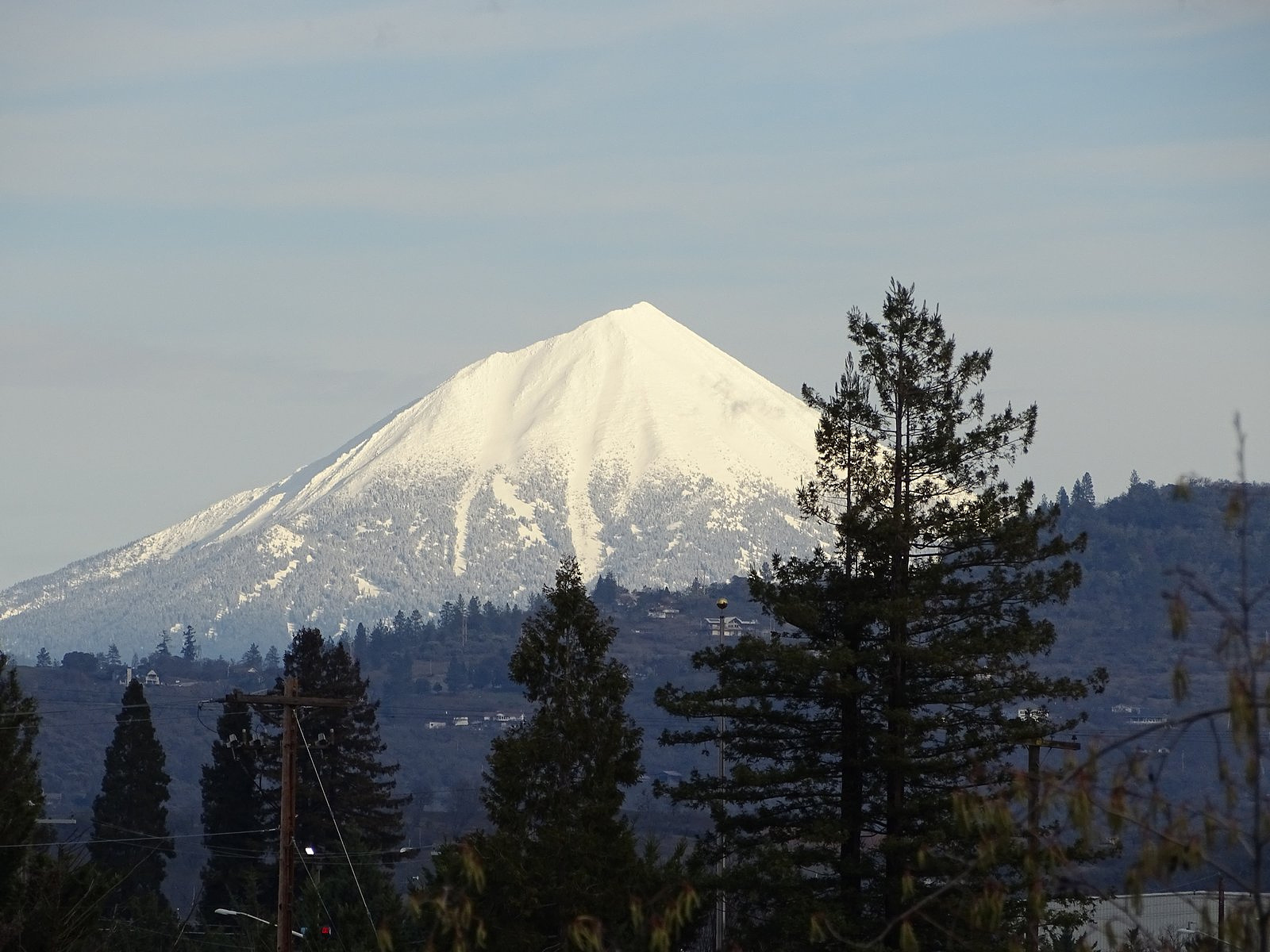
We began at the Pine Street trailhead, at the edge of the fairgrounds and just off the main Central Point exit from I-5, and strolled south. It was gray where we were, but if we looked east, we could see snowy Mt McLoughlin shining brightly under an almost-blue sky. Occasional bikers and other walkers passed. The temperature was a comfortable 50ºF.
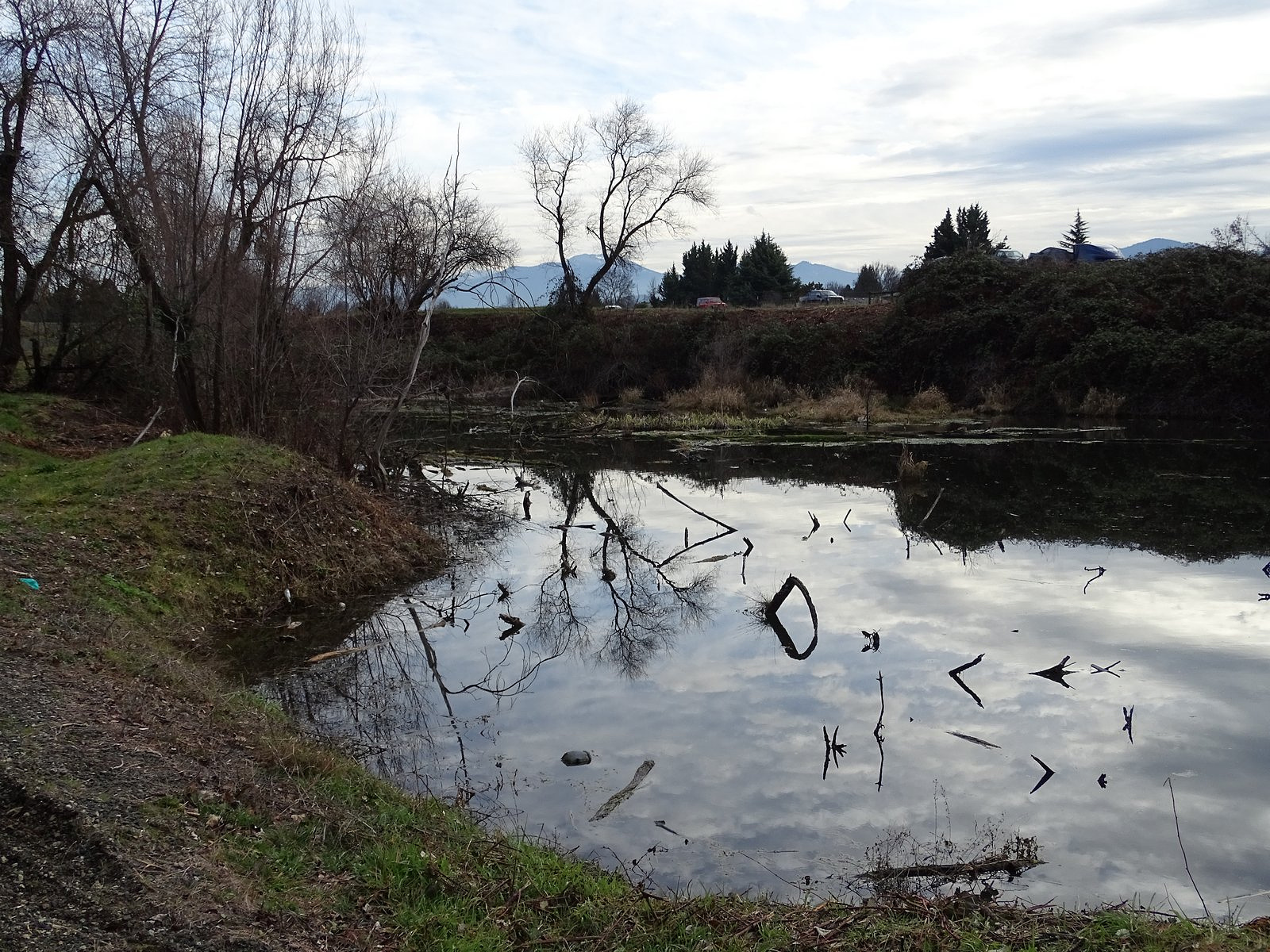
A small pond tucked between the paved path and the freeway held interesting reflections.

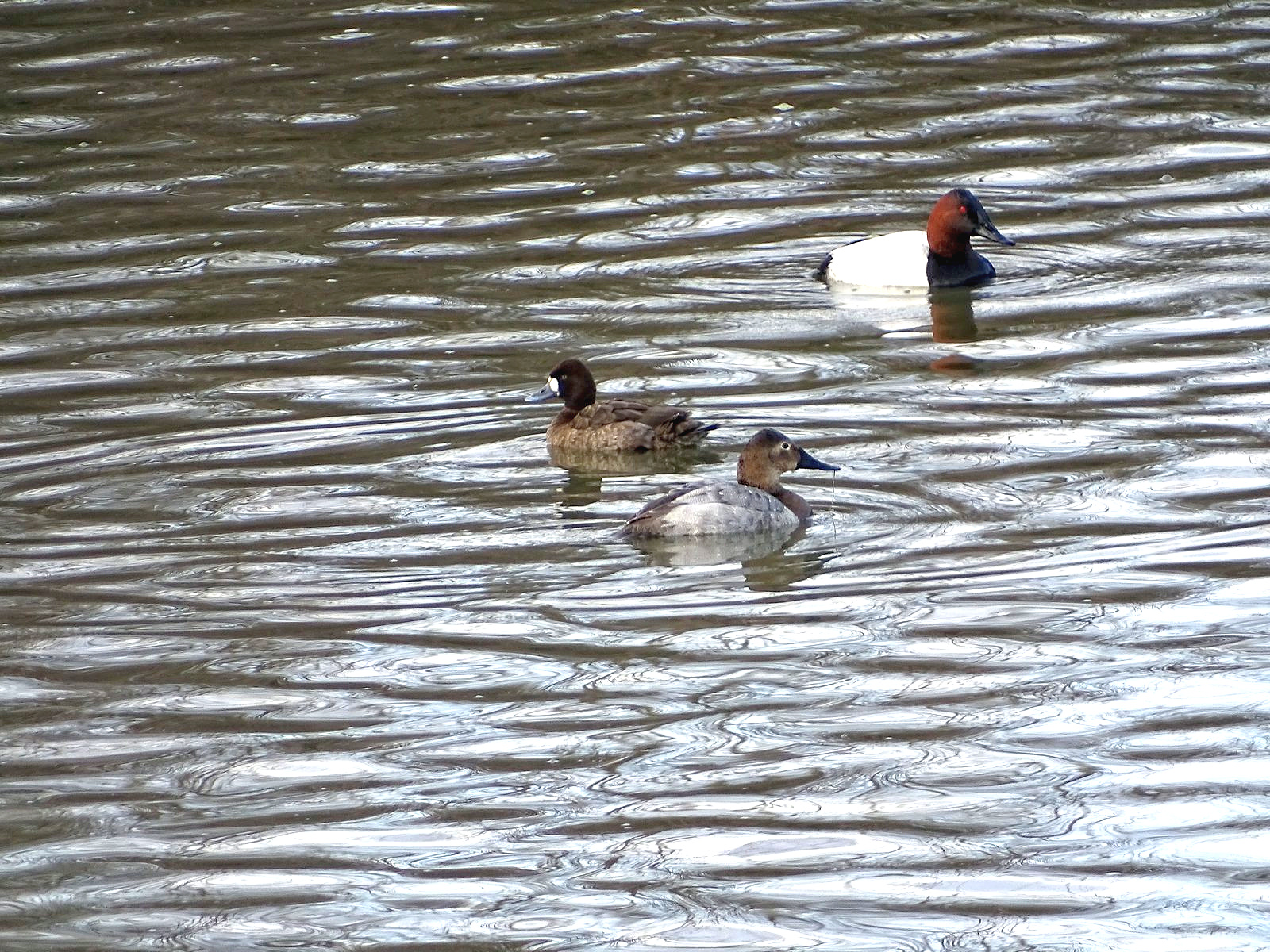
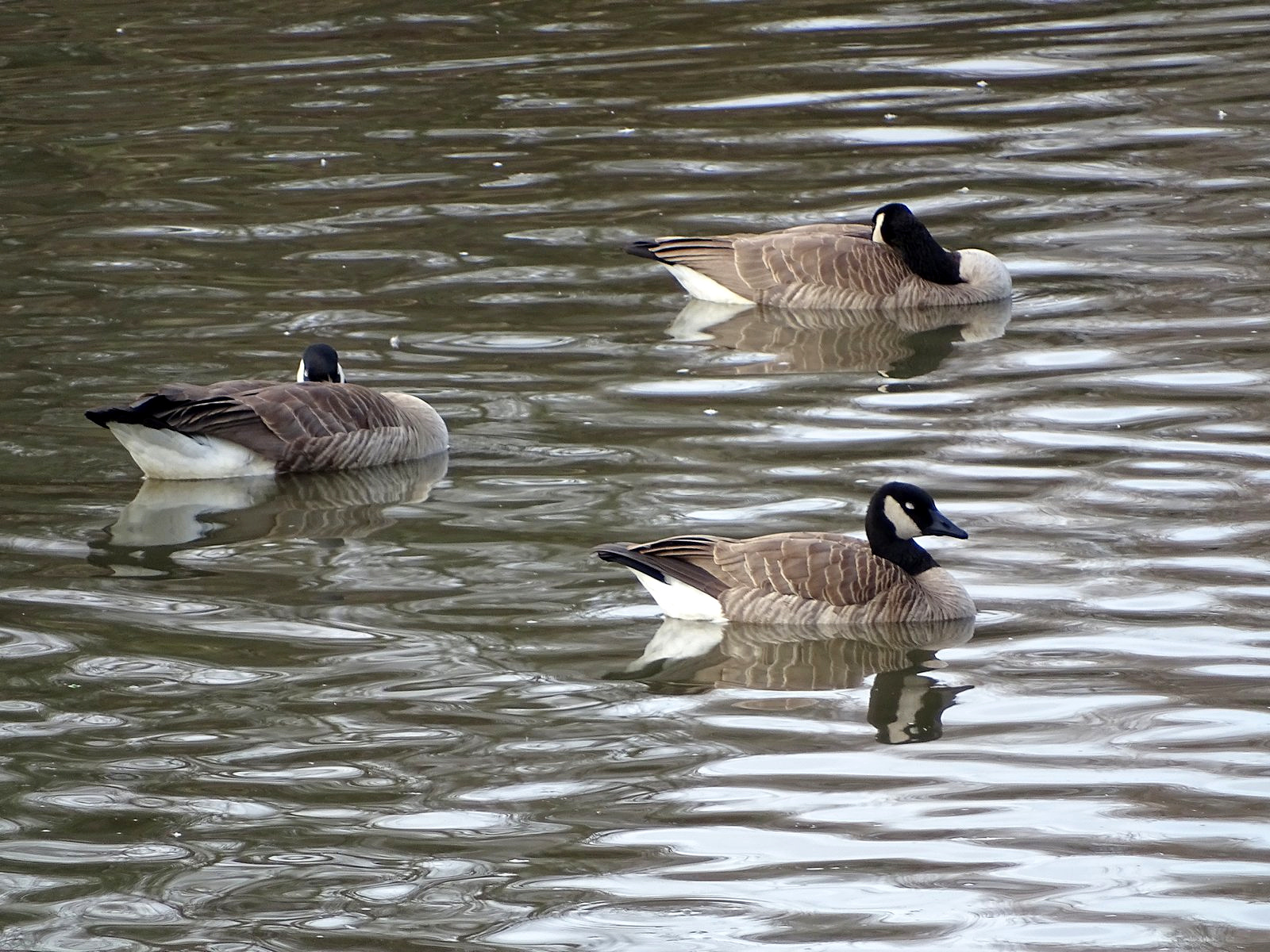
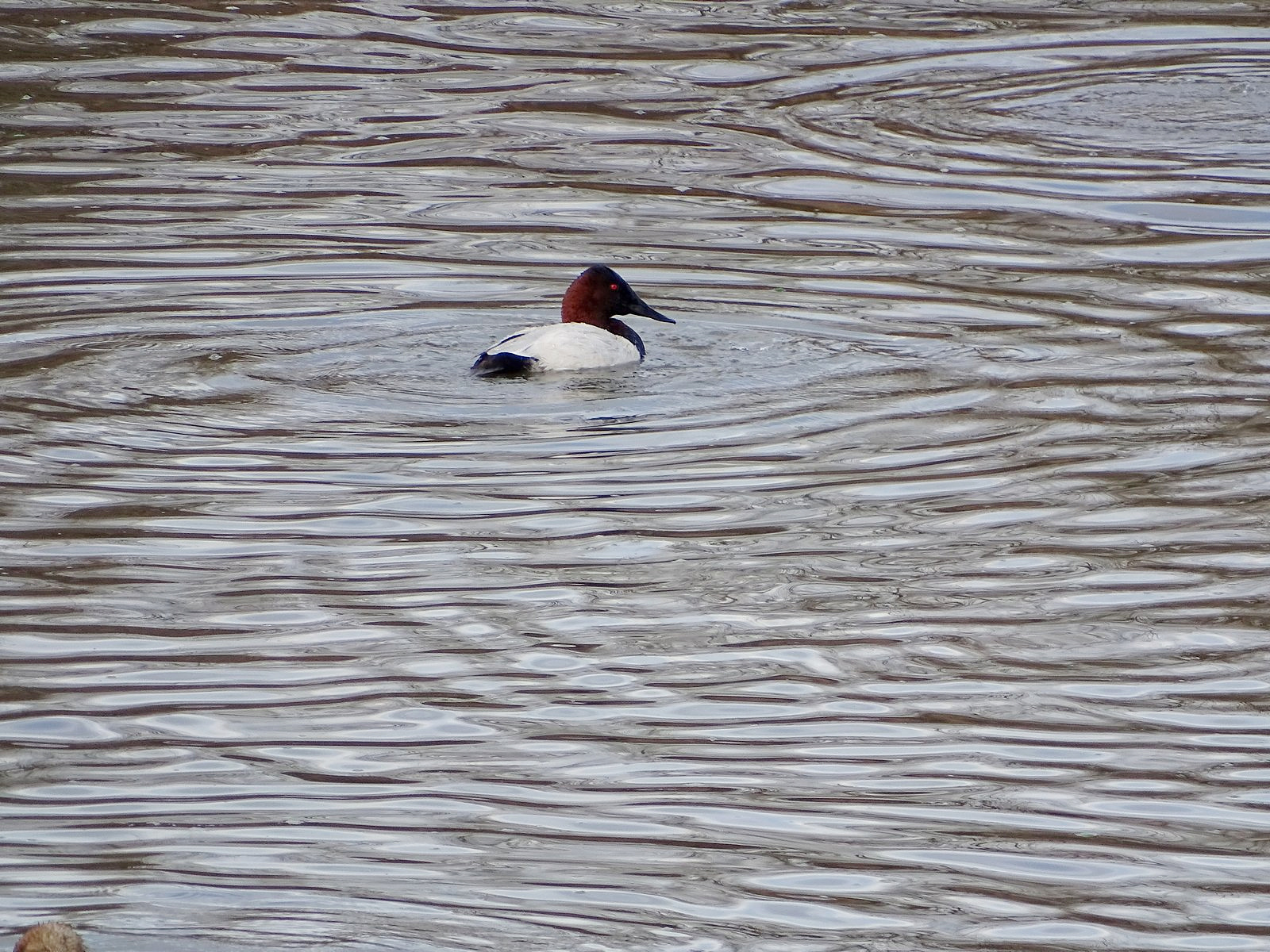
A mile or so south of Pine Street there is a large pond east of the path, and a small wildlife-viewing pavilion has been built there. We made that our goal for the day. It didn’t disappoint: the pond was busy with birds. Large flocks of canvasbacks and Canada geese; a few mallards; a scattering of other species. I spotted a small brown duck I couldn’t identify, and eventually realized that it wasn’t a duck at all; its shape and behavior were ducklike, but its beak was narrow and sharp. A bit of research later determined that it was a pied-billed grebe, a species I had not knowingly seen before. Not a red-letter day by birdwatching standards, perhaps, but a great relief from staying indoors. And the rain held off till we got home. Enjoy the pictures.
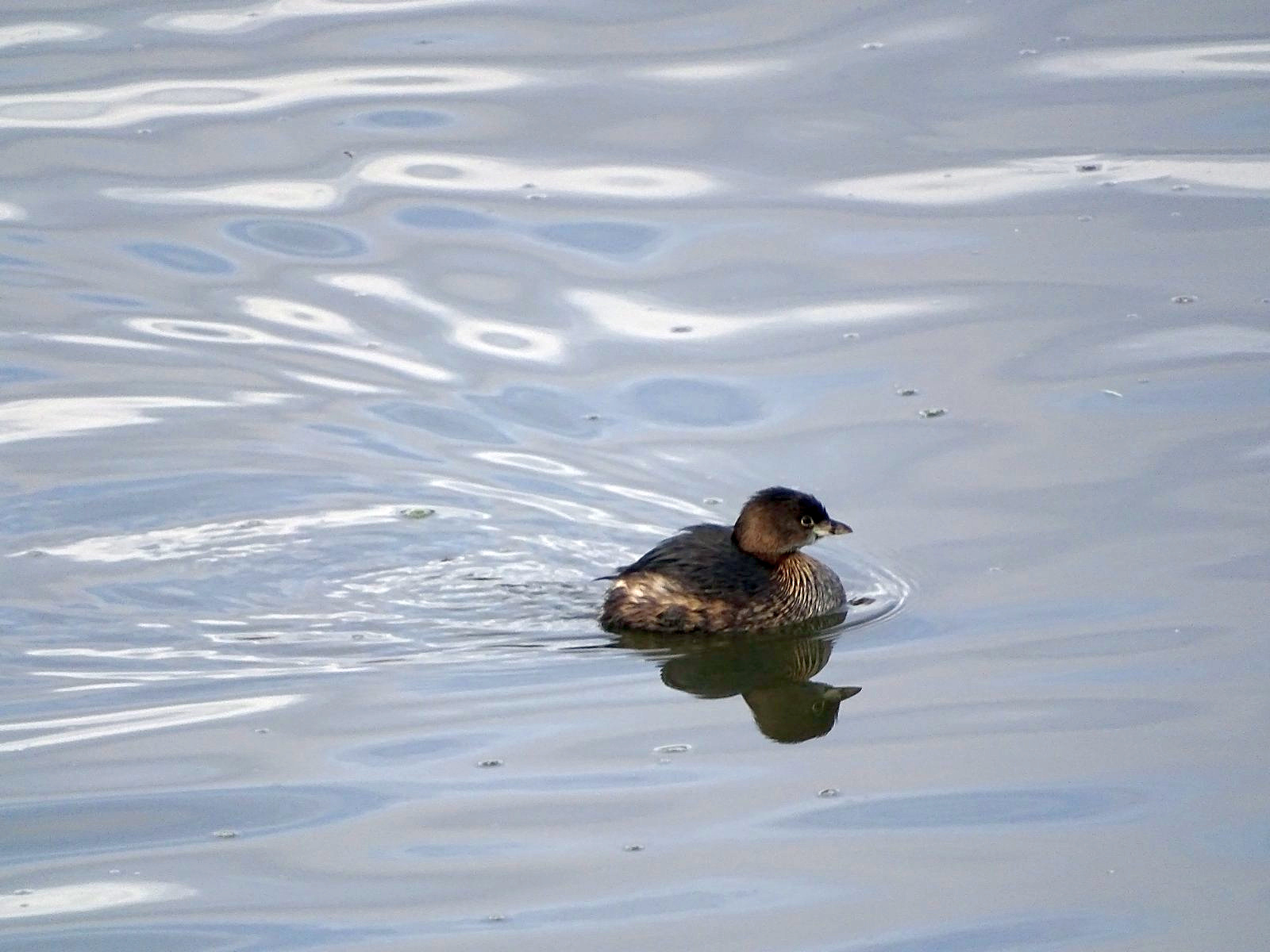
Pied-billed grebe.
Male canvasback.
Male (top) and female (bottom) canvasbacks, and a scaup.
Canada geese.

One Year In

Today marks the first anniversary of our emancipation from gasoline. A year ago – on December 4, 2018 – we brought our Chevrolet Bolt EV (for “Electric Vehicle”) home from the dealer. We have not driven a single inch on fossil fuel since. And I have not had a single regret.

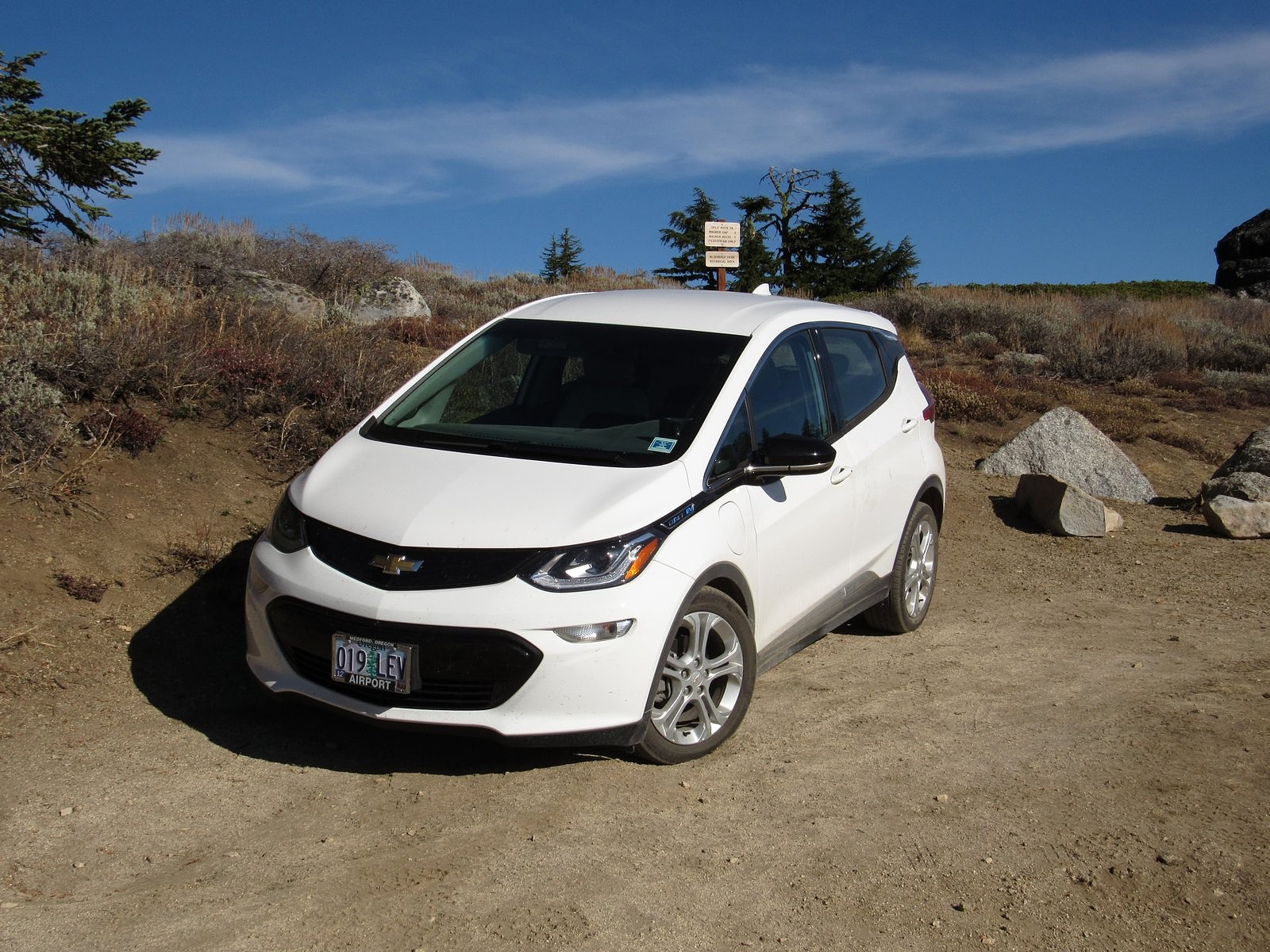
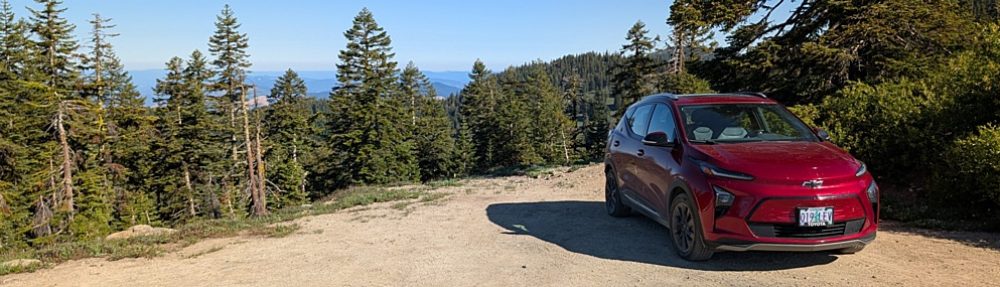
The Bolt beside our garage, one year ago

A scorecard: During its first year, our Bolt has traveled 12,469 miles and used almost exactly 2900 kilowatt-hours of electricity, much of it generated by our solar panels. We have made four overnight trips of 300 miles or longer – the longest was 800+ miles – and countless day trips into our surrounding mountains, including travel to trailheads as much as 100 miles away. A few of those trailheads have required a mile or two of travel over roads marked for 4-wheel-drive only. Aside from two flat tires (neither of them the car’s fault) and a single tire rotation (time for another), we have not seen the inside of a service garage. Electric cars require almost no maintenance.

Some observations: first, the car is incredibly enjoyable to drive. It’s not just its ability to pass gas stations – it can pass almost everything else on the road as well. 200 horsepower and all the torque you can handle, available instantaneously, means we are usually the first away from stoplights and have no problem passing on hills. Cornering is excellent, due to the low center of gravity provided by the “skateboard” of batteries the car sits on. Driving really is fun again.

Second, the car is bigger than it looks. It’s a full five-passenger vehicle. Rear-seat legroom is about the same as we had in our Ford Escape – a medium-sized SUV – and greater than any other car we’ve owned in recent memory, probably back to the 1954 Kaiser we started married life with in 1967. The floor is flat. The luggage space behind the back seat looks tiny, but we got all of the luggage we needed for a week away from home – including a guitar and a laptop computer – into that space, with a little room to spare, in mid-July. The back seats fold flat if more space is needed. There are really very few restrictions on what we can carry.

Charging with a twin in Winters, California. That’s ours in the back.

There aren’t many restrictions on where we can go, either. Ground clearance beats anything we’ve owned recently except the Escape (I’ve already mentioned the 4-wheel-drive roads). Refueling problems on the road have been over-hyped. Range varies with conditions – very cold weather can drop it by as much as 20% – but during the warm-weather travel season it is generally 250 miles or more, the same as a 25 mpg gasoline-powered car with a ten-gallon tank. Stops can usually be planned around meals, so the hour or more it can take to refill the batteries at a DC fast charger isn’t often an issue. And many motels are putting in so-called “destination chargers” – you can plug in before you go to bed and wake up with a full battery in the morning. There are still places without either of those options, but they are getting fewer. And we’ve invested in a portable 240-volt charger, so we can charge in just about any RV park or in any home garage wired for a dryer.

Plugging in at the Last Resort RV campground on the North Umpqua River.

It’s been a great travel year, and we’ve been extremely pleased to do it without producing any greenhouse gases. I’ll grab a few of my favorite pictures from earlier posts and repost them below to show you some of the places we’ve gone without gasoline in the course of the year. Enjoy – and if you’re thinking about a new car but are hesitant about going electric, talk to me.

Our most recent picture of the Bolt, at the trailhead for the Split Rock trail in the Siskiyou Mountains on November 9.
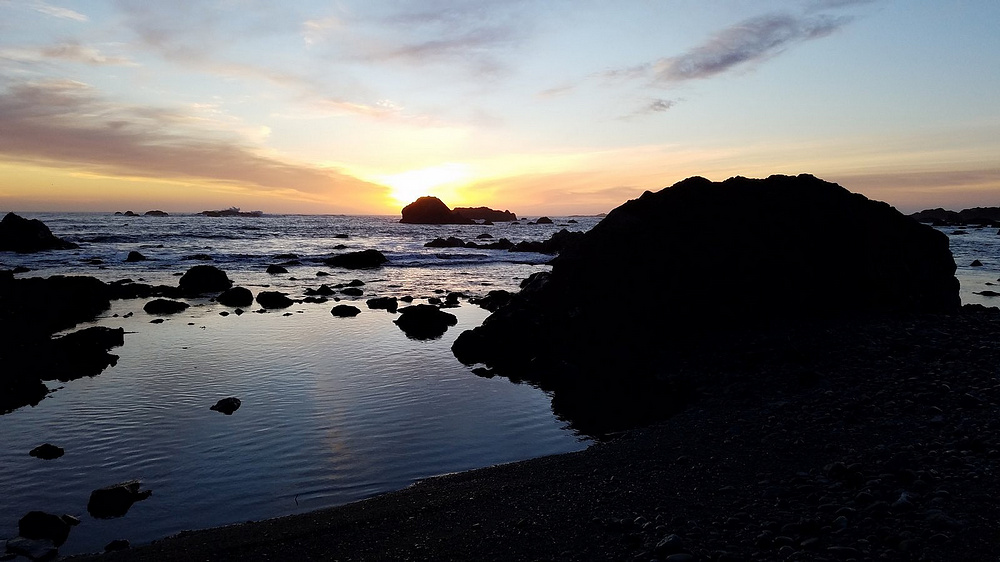
Sunset over the Pacific at Crescent City, California.
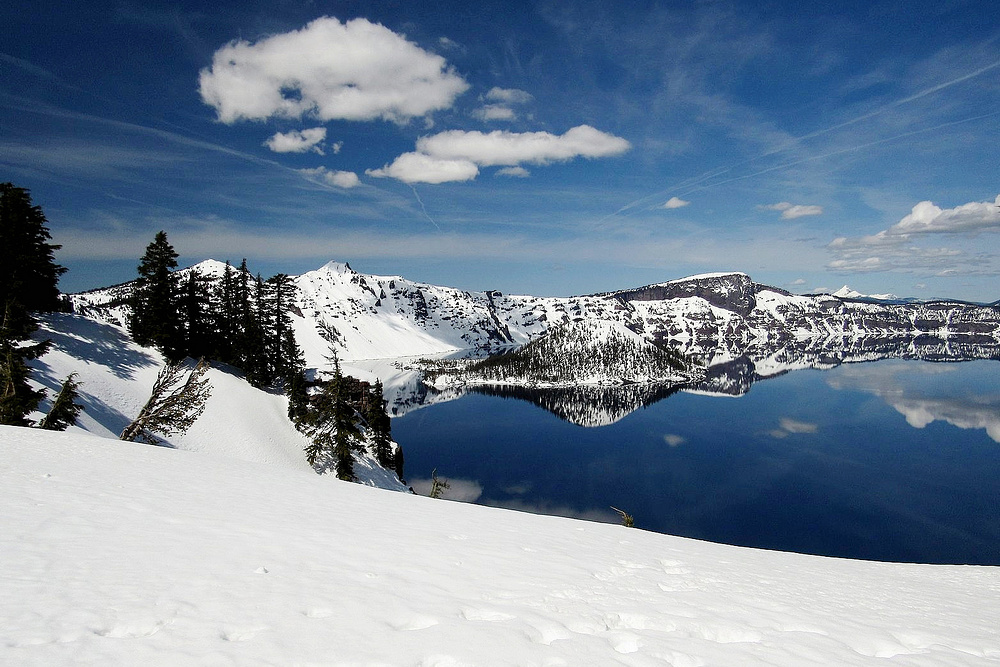
Crater Lake in the snow.
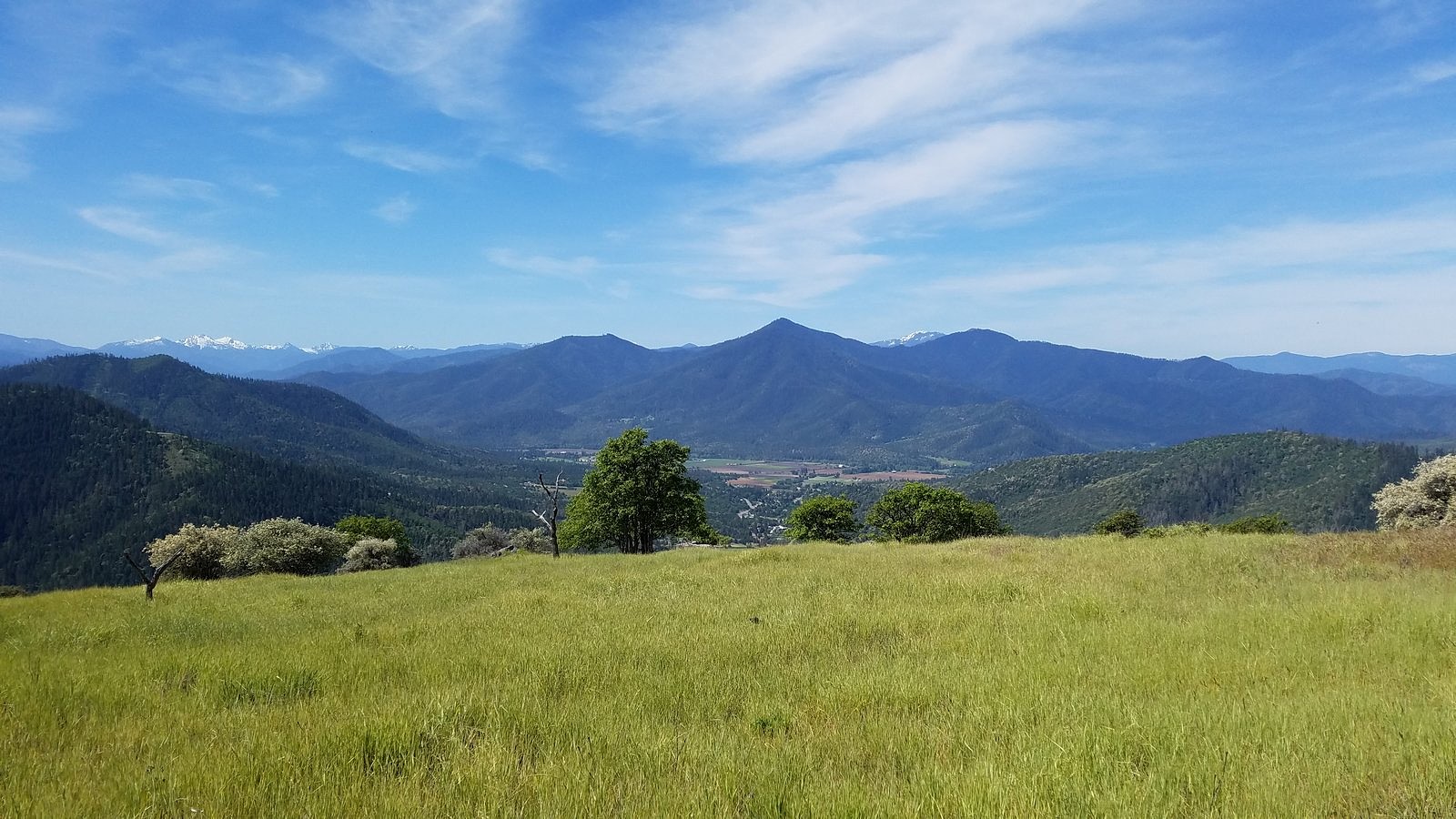
The Applegate Valley from the East Applegate Ridge trail near Jacksonville, Oregon. Snowy peaks of the Red Buttes Wilderness in the left distance.
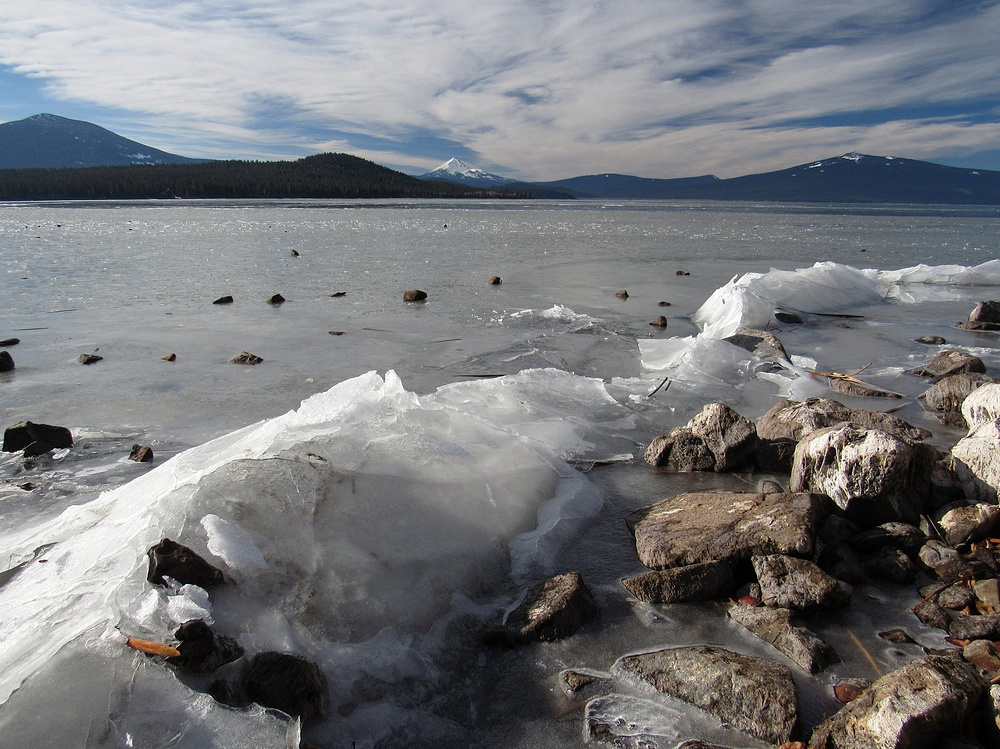
Ice on Shoalwater Bay on Klamath Lake – Oregon’s largest natural lake – near Klamath Falls, Oregon.
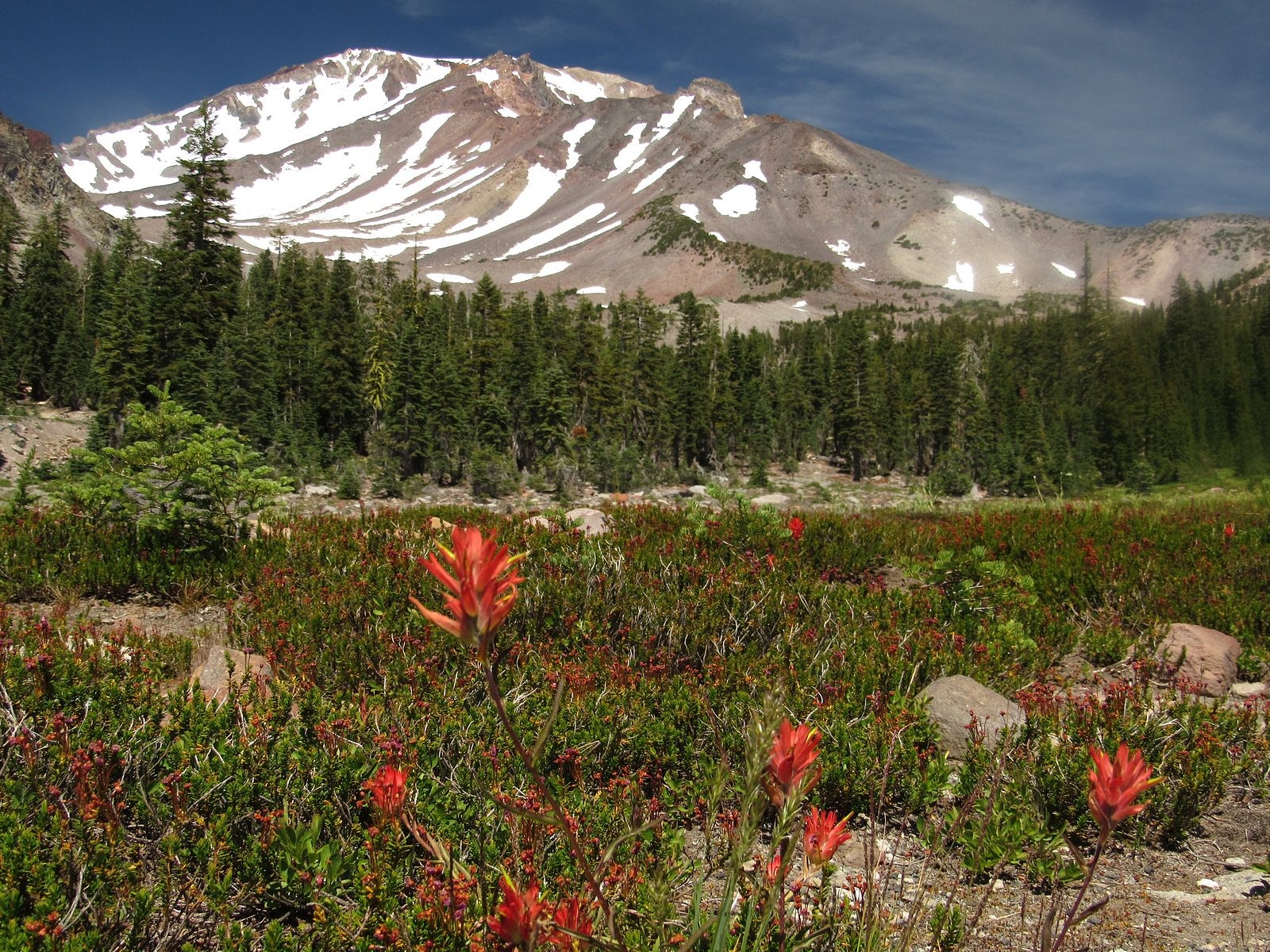
Mt Shasta from Lower Panther Meadow, near timberline on northern California’s highest mountain.
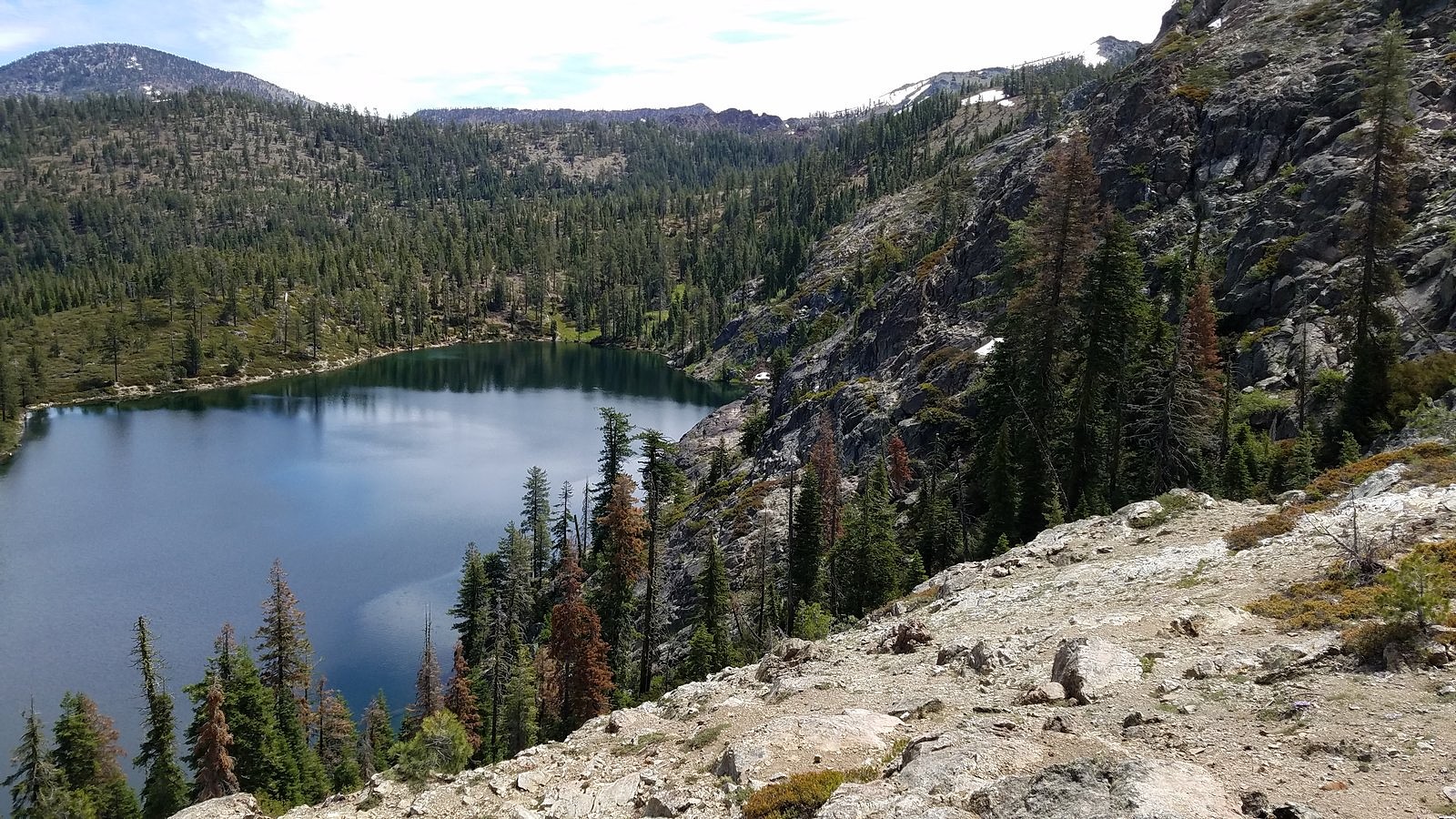
Upper Ruffey Lake and Etna Mountain, Klamath Mountains near Etna, California.
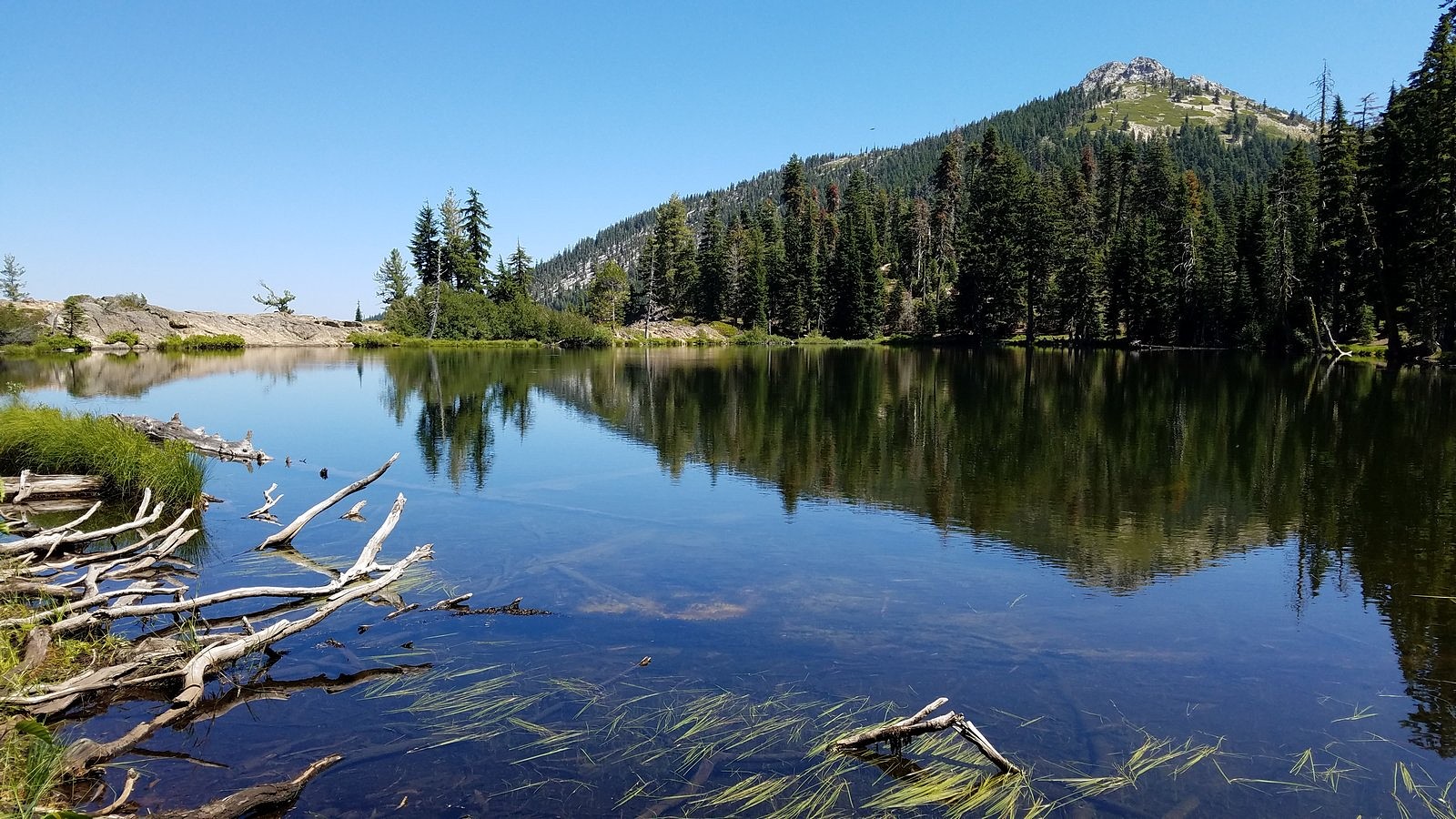
Kangaroo Lake from the connecting trail between the lake and the Pacific Crest Trail, Klamath Mountains near Callahan, California.
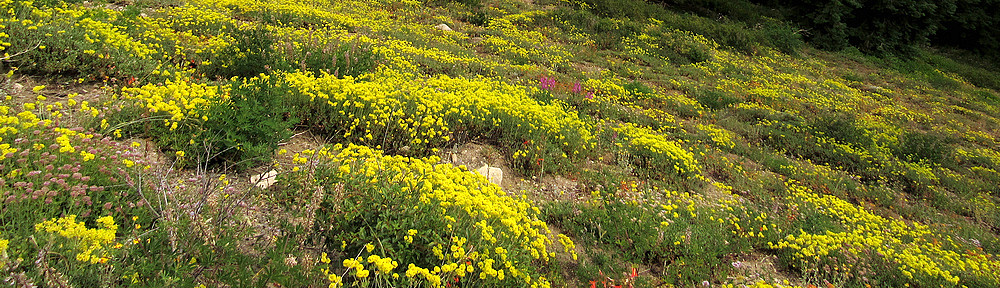
Meadows in Grouse Gap at peak bloom, Mt Ashland, Siskiyou Mountains near Ashland, Oregon.